
Contents
Overview
The concept of augmenting human intelligence with machines predates modern AI, finding early philosophical roots in thinkers like Ray Kurzweil and his vision of the singularity. In healthcare, the precursor to augmented intelligence can be seen in the adoption of early diagnostic tools and information systems designed to support physicians. The formalization of augmented intelligence in medicine gained traction with advancements in machine learning and deep learning algorithms in the early 21st century. Companies like IBM Watson Health pioneered early attempts to apply AI to complex medical datasets, aiming to assist oncologists with treatment recommendations. The field is deeply intertwined with the broader development of symbiotic AI development, focusing on harmonious human-AI interaction rather than AI autonomy. Early research in the 2010s highlighted the potential for AI to analyze medical images, such as radiographs, with speed and accuracy that could complement human radiologists, laying the groundwork for current augmented intelligence frameworks.
⚙️ How It Works
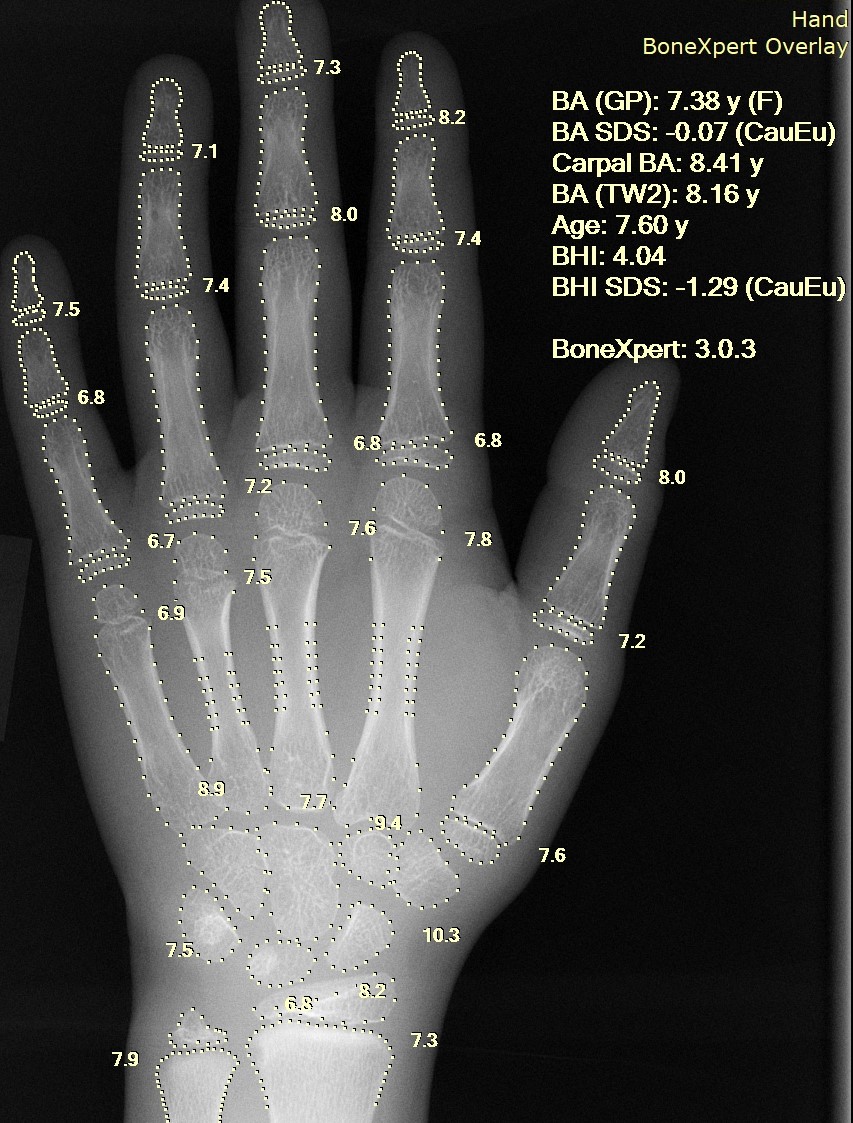
Augmented intelligence in healthcare operates by integrating AI algorithms into clinical workflows, acting as intelligent assistants to medical professionals. These systems process vast amounts of patient data—including EHRs, medical images (like CT scans and MRIs), genomic sequences, and real-time monitoring data—to identify subtle patterns and anomalies that might be missed by human observation alone. For instance, in radiology, AI algorithms can pre-screen images, highlighting suspicious areas for radiologists to review, thereby reducing workload and potential errors. Similarly, in oncology, AI can analyze patient-specific genetic data and treatment outcomes from large datasets to suggest personalized therapeutic options. The interaction is typically designed through user-friendly interfaces, presenting AI-generated insights and confidence scores, allowing the clinician to make the final decision, embodying the principle of human-AI interaction design.
📊 Key Facts & Numbers
For example, AI algorithms can process thousands of research papers in minutes, a task that would take human researchers months. The adoption rate of AI in hospitals is steadily increasing, with many healthcare organizations experimenting with or implementing AI solutions.
👥 Key People & Organizations
Key figures driving augmented intelligence in healthcare include pioneers in medical imaging AI like Dr. Mihir Desai, who has contributed to AI-driven diagnostic tools, and researchers at institutions like Stanford University and MIT who are developing novel algorithms for predictive analytics. Organizations such as the World Health Organization (WHO) are actively exploring the ethical implications and potential benefits of AI in global health. Tech giants like Google Health and Microsoft Healthcare are investing heavily in developing AI platforms for clinical decision support and patient management. PathAI is a notable company focusing on AI-powered pathology, aiming to improve diagnostic accuracy for diseases like cancer. The FDA is also playing a crucial role by establishing regulatory frameworks for AI/ML-based medical devices, ensuring safety and efficacy.
🌍 Cultural Impact & Influence
Augmented intelligence is reshaping the patient experience and the practice of medicine, fostering a culture of data-driven decision-making. It has led to the development of more personalized treatment plans, moving away from one-size-fits-all approaches. The integration of AI into diagnostics, such as in pathology and radiology, is enhancing the perceived accuracy and efficiency of these fields, potentially reducing patient anxiety associated with waiting for results. The public perception is evolving from skepticism towards cautious optimism, with growing awareness of AI's potential to improve healthcare access and quality, particularly in underserved regions. However, this also sparks discussions about the 'dehumanization' of care, raising questions about the balance between technological efficiency and the empathetic human touch in medicine, a core concern in ethical AI frameworks.
⚡ Current State & Latest Developments
Companies are increasingly developing AI tools that can integrate seamlessly into existing Epic and Cerner EHR systems, minimizing workflow disruption. The development of Generative Adversarial Networks (GANs) is being explored for synthetic data generation to train AI models without compromising patient privacy. Regulatory bodies like the European Union are also establishing comprehensive AI regulations, impacting how augmented intelligence tools are developed and deployed across member states. The COVID-19 pandemic accelerated the adoption of remote patient monitoring and telehealth solutions, many of which are now enhanced with AI for real-time analysis and alerts, demonstrating the adaptability of these technologies.
🤔 Controversies & Debates
Significant controversies surround augmented intelligence in healthcare, primarily concerning data privacy and security. The use of sensitive patient data to train AI models raises concerns about potential breaches and misuse, as highlighted by past incidents involving healthcare data. Another major debate revolves around algorithmic bias; if AI models are trained on data that reflects existing healthcare disparities, they can perpetuate or even amplify these biases, leading to inequitable care for certain demographic groups. The question of accountability is also contentious: when an AI-assisted diagnosis or treatment recommendation leads to a negative outcome, who is responsible—the clinician, the AI developer, or the institution? The potential for job displacement among healthcare professionals, particularly in fields like radiology and pathology, also fuels debate, though proponents argue it will lead to job evolution rather than elimination.
🔮 Future Outlook & Predictions
The future of augmented intelligence in healthcare points towards increasingly sophisticated and integrated AI partners for clinicians. We can anticipate AI systems that not only diagnose but also predict disease progression with higher accuracy, enabling truly proactive and preventative care. The development of 'digital twins'—virtual replicas of patients—powered by AI could allow for precise simulation of treatment responses before they are administered. Furthermore, AI will likely play a larger role in managing chronic diseases through continuous monitoring and personalized interventions. The integration of blockchain technology with AI could enhance data security and traceability, addressing some of the current privacy concerns. The ultimate vision is a healthcare system where human expertise and AI capabilities are so seamlessly interwoven that the distinction between them becomes blurred, leading to unprecedented levels of efficiency and patie
💡 Practical Applications
Augmented intelligence in healthcare has numerous practical applications aimed at improving patient care and operational efficiency. These include AI-powered diagnostic tools that assist radiologists and pathologists in identifying abnormalities in medical images and tissue samples, respectively. Predictive analytics are used to forecast patient risk for certain conditions or hospital readmissions, allowing for early intervention. In treatment planning, AI analyzes patient data and medical literature to suggest personalized therapeutic strategies, particularly in complex fields like oncology. AI also accelerates drug discovery and development by identifying potential candidates and predicting their efficacy. Furthermore, AI enhances administrative tasks, such as automating clinical documentation and optimizing hospital workflows, freeing up medical staff to focus more on patient interaction. These applications collectively aim to make healthcare more precise, efficient, and accessible.
Key Facts
- Category
- technology
- Type
- topic